Alkaline Fasting: 7-Day Plan with Recipes and Shopping List
Basentracker Team
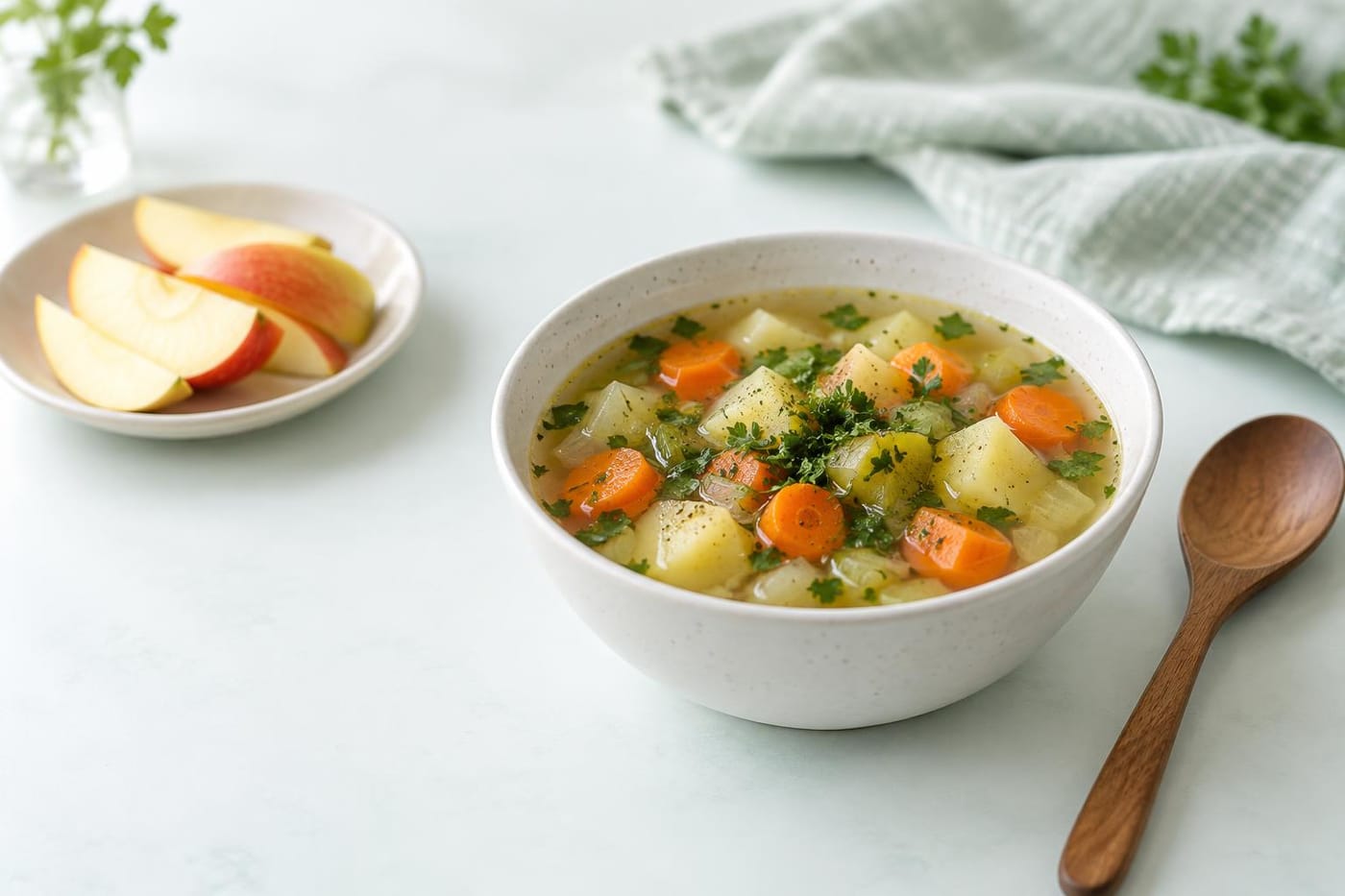
Alkaline fasting means eating only alkaline foods for one to two weeks: vegetables, fruit, potatoes, herbs, nuts in moderation, plus water and herbal tea. No meat, no fish, no eggs, no cheese, no grains, no sugar, no alcohol, no coffee. It’s not fasting in the sense of going hungry. You eat until you’re full, just in a one-sided way. The plan below gives you seven days with calculated PRAL values; every day lands between −64 and −108. After the week, you go back to a diet that includes protein again, with more vegetables than before.
What alkaline fasting is, and what it isn’t
Alkaline fasting is a time-limited regimen: one week, two at most, during which you eat almost only foods with a negative PRAL value. That puts your daily balance far below zero. During this time, your body excretes considerably less acid, your potassium intake is high and your protein intake is low.
What it is not: a therapeutic fast (you eat normal amounts), a detox (your body detoxifies through the liver and kidneys, not through vegetables), or a long-term diet (without protein, your body starts breaking down muscle after two weeks). Put honestly, alkaline fasting is a week of very vegetable-heavy, plant-based eating with a useful side effect: afterward, it’s easier to eat more vegetables for good, because you’ve learned how.
⚠️ Who should skip alkaline fasting
Pregnant and breastfeeding women, children, people with eating disorders, people with diabetes on medication and people with reduced kidney function (high potassium intake) should not do alkaline fasting, or only after talking to their doctor. If you take medication, check with your doctor the week before.
The rules in one table
| Allowed | Off the menu for the duration of the fast |
|---|---|
| All vegetables, raw and cooked | Meat, cold cuts and sausage, fish, seafood |
| Potatoes, sweet potatoes | Eggs |
| All fruit, fresh and dried | Cheese, quark, yogurt, milk |
| Herbs, spices, garlic, ginger | Bread, pasta, rice, rolled oats, muesli |
| Hazelnuts, almonds, chestnuts (one handful a day) | Legumes, tofu (slightly acid-forming, so only after the fast) |
| Olive oil, flaxseed oil, coconut oil | Sugar, candy, baked goods |
| Water, herbal tea, diluted juices, vegetable juice | Coffee, black tea, alcohol, soda |
| Lemon, apple cider vinegar, balsamic vinegar | Ready meals, fast food |
By PRAL, coffee is slightly alkaline (−2.3), yet most fasting plans cut it anyway, for reasons of tolerance and because the week is a fresh start in any case. If you can’t do without it, have one cup black; your balance won’t suffer.
Almonds are acid-forming by PRAL (+10.5), unlike hazelnuts (−3.2) and chestnuts (−19.3). Classic alkaline fasting lists include them anyway, and in the plan they stay at a handful of 15 to 40 g (+1.6 to +4.2); your daily balance still stays far below zero. If you fast strictly by PRAL, use hazelnuts instead of almonds.
The 7-day plan
All amounts are for one person. The PRAL values are calculated from the Basentracker database; calories are listed with each meal. The days come in at about 1,400 to 1,550 kcal, day 7 at just under 1,200 kcal. That is deliberately below what an adult needs (about 1,800 to 2,000 kcal for women, 2,200 to 2,500 kcal for men with little activity), but far enough from a starvation diet. If you do physical work or exercise, make the potato and nut portions bigger. That’s also why you shouldn’t go longer than two weeks.
Day 1
BreakfastFruit plate with almonds
LunchRoasted pumpkin with potatoes
- Pumpkin (Hokkaido) · 250 g −8.5
- Potato · 300 g −19.6
- Olive oil · 15 ml 0.0
- Rosemary · 2 g −0.1
DinnerBig salad with avocado
- Lamb's lettuce · 80 g −6.6
- Tomato · 150 g −6.3
- Cucumber · 100 g −3.3
- Avocado · 150 g −14.8
- Olive oil · 10 ml 0.0
- Lemon juice · 10 ml −0.2
Day 2
BreakfastGreen smoothie
- Banana · 120 g −7.6
- Spinach · 60 g −7.3
- Apple · 100 g −1.9
- Ginger root · 5 g −0.3
- Almond butter · 20 g +0.7
- Tap water · 200 ml −0.2
LunchPotato and spinach skillet
SnackApple, dates, hazelnuts
- Apple · 150 g −2.9
- Dried date · 40 g −5.4
- Hazelnuts · 30 g −1.0
DinnerVegetable soup
- Carrot · 150 g −9.4
- Leek · 80 g −3.7
- Celery stalk · 60 g −3.1
- Potato · 250 g −16.3
- Olive oil · 10 ml 0.0
- Parsley · 10 g −0.7
Day 3
BreakfastMelon with dates and almonds
- Honeydew melon · 300 g −13.3
- Dried date · 40 g −5.4
- Almonds · 20 g +2.1
LunchSweet potato with broccoli and avocado
- Sweet potato · 350 g −18.4
- Broccoli · 200 g −2.5
- Avocado · 80 g −7.9
- Olive oil · 15 ml 0.0
- Lemon juice · 10 ml −0.2
DinnerBeetroot carpaccio with arugula
- Arugula · 60 g −4.2
- Cucumber · 100 g −3.3
- Red bell pepper · 100 g −3.5
- Hazelnuts · 30 g −1.0
- Balsamic vinegar · 10 ml −0.1
- Olive oil · 10 ml 0.0
Day 4
BreakfastBaked apple with cinnamon
- Apple · 200 g −3.9
- Raisins · 30 g −3.8
- Cinnamon powder · 2 g −0.5
- Hazelnuts · 30 g −1.0
LunchRatatouille with potatoes
- Zucchini · 150 g −6.2
- Eggplant · 150 g −4.5
- Red bell pepper · 100 g −3.5
- Tomato · 150 g −6.3
- Potato · 300 g −19.6
- Olive oil · 15 ml 0.0
DinnerFennel and orange salad with avocado
- Fennel · 150 g −9.8
- Orange · 150 g −4.3
- Lettuce · 60 g −3.7
- Avocado · 100 g −9.9
- Olive oil · 10 ml 0.0
Day 5
BreakfastBerries with coconut yogurt
- Raspberry · 100 g −2.7
- Blueberry · 100 g −1.3
- Coconut yogurt (plain) · 150 g −1.6
- Almonds · 15 g +1.6
LunchPumpkin soup with ginger
- Pumpkin (Butternut) · 300 g −16.3
- Carrot · 100 g −6.3
- Ginger root · 10 g −0.7
- Coconut milk · 100 ml −2.1
- Onion · 50 g −1.2
DinnerRoasted vegetables
- Sweet potato · 300 g −15.8
- Brussels sprouts · 150 g −7.2
- Carrot · 100 g −6.3
- Olive oil · 15 ml 0.0
- Thyme · 2 g −0.1
Day 6
BreakfastFruit salad with lemon
- Kiwifruit · 100 g −4.9
- Mango · 120 g −3.9
- Banana · 100 g −6.4
- Lemon juice · 10 ml −0.2
LunchCauliflower and potato curry
- Cauliflower · 250 g −8.9
- Potato · 300 g −19.6
- Tomato · 150 g −6.3
- Coconut milk · 100 ml −2.1
- Olive oil · 10 ml 0.0
- Curry powder · 5 g −0.9
DinnerTomato and cucumber salad with avocado
- Tomato · 200 g −8.4
- Cucumber · 150 g −4.9
- Avocado · 150 g −14.8
- Onion · 30 g −0.7
- Basil · 10 g −0.7
- Olive oil · 10 ml 0.0
Day 7
BreakfastDates, pear, walnut-free
- Pear · 180 g −4.2
- Dried date · 40 g −5.4
- Almonds · 20 g +2.1
LunchMashed potatoes with kale
- Potato · 300 g −19.6
- Kale · 200 g −23.3
- Onion · 50 g −1.2
- Olive oil · 15 ml 0.0
- Nutmeg powder · 1 g 0.0
DinnerVeggie sticks with guacamole
- Guacamole · 120 g −10.4
- Carrot · 100 g −6.3
- Red bell pepper · 100 g −3.5
- Celery stalk · 80 g −4.2
- Cucumber · 100 g −3.3
If you get hungry between meals: a piece of fruit, a handful of hazelnuts or almonds, veggie sticks, a glass of diluted carrot juice. To drink: two to three liters of water or herbal tea a day.
Shopping list for the week
Vegetables: 2.5 kg potatoes, 1 kg sweet potatoes, 1 Hokkaido pumpkin, 1 butternut squash, 500 g spinach, 300 g kale, 1 head of broccoli, 1 head of cauliflower, 300 g Brussels sprouts, 1 kg carrots, 1 kg tomatoes, 3 cucumbers, 4 red bell peppers, 2 zucchini, 1 eggplant, 1 fennel bulb, 1 leek, 1 bunch of celery, lamb’s lettuce, arugula, lettuce, 3 onions, garlic, ginger.
Fruit: 12 bananas, 10 apples, 2 pears, 1 honeydew melon, 1 mango, 2 kiwifruit, 2 oranges, 3 lemons, 300 g blueberries, 100 g raspberries, 250 g dates, raisins.
Other: 200 g almonds, 200 g hazelnuts, almond butter, olive oil, balsamic vinegar, coconut milk, coconut yogurt, 5 ripe avocados plus 1 for guacamole, herbs (parsley, basil, rosemary, thyme), curry powder, cinnamon, nutmeg, herbal tea.
What to expect during the week
Days 1 to 3: If you drank a lot of coffee, you’ll get headaches. That’s caffeine withdrawal, not a “detox.” Drinking plenty helps. The craving for bread and cheese is real and eases after the third day.
Days 3 to 5: Most people feel lighter, partly because of water loss (less salt, smaller carbohydrate stores), partly because the volume of vegetables fills you up without weighing you down. Digestion gets more active; that much fiber is new for many people.
Days 5 to 7: Your sense of taste shifts. Fruit tastes sweeter, vegetables more intense. That’s the real payoff of the week: you notice that you like vegetables when they’re the main event.
What not to expect: lasting weight loss (the lost water comes back), a cure for anything, a different blood pH. What stays, if you let it: a way of eating where vegetables and potatoes dominate the plate and cheese is the exception.
Why cheese is the strongest acid former and coffee isn’t: Acidic or Alkaline?. What makes a balanced long-term diet after the fast: What is an alkaline diet?.
After the week: what comes next
The most common mistake is to “celebrate” on day eight with cheese rolls and salami. A better approach: bring protein back, but in measured amounts, and keep the habits of the week.
Day 8, exampleLentil and vegetable skillet with potatoes
- Lentils · 150 g +4.6
- Potato · 200 g −13.1
- Red bell pepper · 100 g −3.5
- Zucchini · 100 g −4.1
- Tomato · 100 g −4.2
- Olive oil · 10 ml 0.0
Order of return: first legumes and tofu, then fish and eggs, then meat, and cheese last. If you keep the portions small (100 g meat, 30 g cheese) and keep your vegetables at fasting-week levels, your daily balance stays around zero, and that’s exactly the goal.
Frequently asked questions
Will I lose weight on an alkaline fast? One to three kilograms in a week, most of it water. If you keep eating mostly vegetables afterward, you’ll keep some of it off; if you go back to your old pattern, you won’t.
Do I need alkaline powder for alkaline fasting? No. The foods in this week provide more potassium, magnesium and calcium than any powder contains. Powder is unnecessary during the fasting week and risky if you have kidney problems.
Can I exercise? Light exercise, yes: walking, cycling, yoga, swimming. Intense strength training doesn’t fit into a week without protein, so postpone it.
Can I do alkaline fasting for just three days? Yes, that makes sense as a start. Three days are enough to understand how it works, but getting used to more vegetables takes more like the whole week.
What are the side effects of alkaline fasting? In the first two to three days, often headaches (caffeine withdrawal, less salt), tiredness and cravings for bread and cheese. Bloating from the unusual amount of vegetables is normal and settles down. If you feel dizzy or your heart races, drink a bit more and add a little more salt. If you take medication, talk to your doctor first. Not suitable during pregnancy or breastfeeding, or if you have an eating disorder, are underweight or have severe kidney disease.
How long should you do alkaline fasting? Seven days is the usual length, three days is the starting point, and fourteen days is the maximum without a protein source. Longer isn’t better, because your protein intake gets too low. From the third week on, a protein source (legumes, yogurt, fish) belongs back on your plate.
What do you eat for breakfast on an alkaline fast? Fruit with nuts, millet or buckwheat porridge with apple and cinnamon, veggie sticks with avocado, or a green smoothie made from spinach, banana and water. Rolled oats are slightly acid-forming by PRAL (+6.8) and are left out in strict versions; in milder versions, they stay in as a small portion. More ideas in the article Alkaline breakfast.
Can I drink coffee while alkaline fasting? By PRAL, coffee is slightly alkaline (−2.3 per 100 ml) and doesn’t work against the fast. Strict plans cut it anyway, because the point is your habits. A practical approach: keep one cup in the morning to avoid the withdrawal headache. From day three on, giving it up gets easier.
How often per year? Once or twice. If you feel the need more often, you’re eating too acid-heavy in between. Then your everyday diet is the issue, not the fast.
Track your fasting week without doing the math.
Log your meals and see how far below zero your day lands. And after the week: whether cheese takes over again.
Free for Android · iPhone coming soon
Conclusion
Alkaline fasting is a week of vegetables, fruit and potatoes with a clear end. It doesn’t heal anything and doesn’t detox anything, but it sets a benchmark: this many vegetables is doable, and it tastes good. The plan above is filling, affordable and powder-free. What counts is day eight.