Gout Diet: Foods to Lower Uric Acid and What to Avoid
Basentracker Team
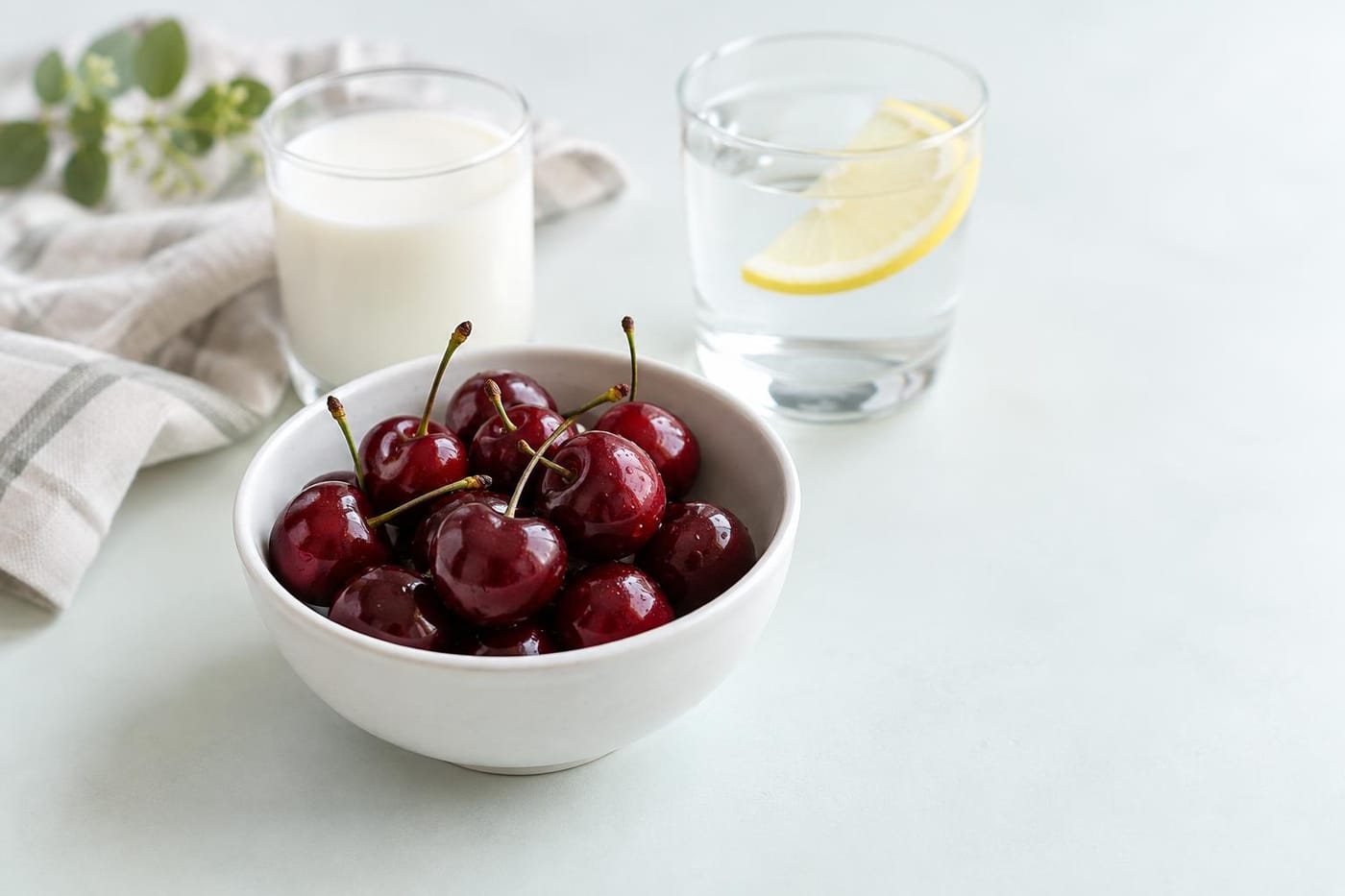
With gout, three things matter in your diet: few purines (organ meats, meat extract, anchovies, herring, beer), little fructose from soft drinks and juices, and plenty of what helps your body excrete uric acid: water, dairy, vegetables, fruit and coffee. An alkaline-leaning diet with a low PRAL raises urine pH, and uric acid dissolves much better in alkaline urine. Legumes are fine despite their purines, and studies show cherries reduce how often attacks happen. Diet does not replace medication. It lowers uric acid levels by about 1 mg/dL.
What happens in your body with gout
Gout develops when uric acid in the blood stays above about 6.8 mg/dL (400 µmol/L) over time and forms crystals, mostly in cooler joints such as the base of the big toe. Uric acid is the breakdown product of purines, which come from two sources: about two-thirds from your body’s own cell turnover and one-third from food. Two-thirds of it leaves the body through the kidneys.
This gives your diet two levers: take in fewer purines and help your kidneys excrete more uric acid. The second lever is often overlooked, and this is exactly where the acid-base balance comes in.
Lever 1: Purines, alcohol and fructose
High in purines, avoid or eat rarely with gout: organ meats (liver, kidney, sweetbreads), meat extract and bouillon cubes, anchovies, sardines, herring, mackerel, sprats, mussels, poultry and fish skin, yeast extract. These foods provide 150 to more than 300 mg of uric acid equivalent per 100 g.
Moderate, fine in normal portions: muscle meat from beef, pork and poultry, and most fish (100 to 150 mg per 100 g). Guidelines accept one portion of 100 to 150 g a day. What counts is the total over the week.
Alcohol: Beer is doubly unfavorable. It contains purines itself (guanosine), and the alcohol slows the excretion of uric acid. Spirits also raise the risk. Wine in moderate amounts raises it the least. During an attack, the rule is no alcohol at all.
Fructose: Sweetened soft drinks and fruit juices in large amounts raise uric acid, because breaking down fructose releases purines. Whole fruit is the exception: the amount is smaller, and fiber, potassium and vitamin C outweigh it.
ℹ️ Legumes are not the problem
Lentils, beans and peas contain purines, but in large observational studies they do not raise the risk of gout. Plant purines seem to be processed differently, and legumes also bring potassium and fiber. They remain the best protein source if you have gout.
Lever 2: Help your body excrete uric acid
Drink. Two to three liters a day, preferably water, diluted juice spritzers or herbal tea. More urine means more uric acid leaving your body and a lower concentration in the kidneys.
Dairy. Skim milk, yogurt and quark (a fresh, high-protein dairy product similar to strained yogurt) lower uric acid measurably: the milk proteins casein and lactalbumin promote its excretion. Two servings a day are considered protective. Cheese contains hardly any purines, but it comes with a lot of salt and a high PRAL.
Coffee. In studies, four cups a day are linked to clearly fewer gout attacks, regardless of caffeine. Coffee is also slightly alkaline (PRAL −2.3 per 100 ml).
Cherries. In a study of more than 600 patients, 10 to 12 cherries a day or tart cherry juice cut attacks by one-third. The mechanism is not clear, but the effect is reproducible.
Vitamin C from fruit and vegetables lowers uric acid slightly. Supplements above 500 mg are not necessary.
Urine pH and uric acid
Uric acid is a weak acid. At a urine pH of 5.0, only about 8 mg dissolves per 100 ml. At pH 6.5, ten times as much does. That is why acidic urine is the reason people with gout often form uric acid stones as well. A diet with a low PRAL (lots of vegetables, fruit and potatoes, little meat and cheese) raises urine pH into the range of 6.0 to 6.5. In a Japanese study, uric acid excretion rose significantly on an alkaline-leaning diet compared with an acid-heavy diet, with the same amount of purines.
Luckily, the recommendations overlap: what makes your urine more alkaline is usually low in purines, too.
| Food | PRAL per 100 g | Purines | With gout |
|---|---|---|---|
| Potato, boiled | −6.5 | hardly any | daily |
| Spinach, fresh | −12.2 | moderate | yes, plant purines are not a concern |
| Banana | −6.4 | hardly any | daily |
| Sour cherry | −1.8 | hardly any | recommended |
| Milk, low-fat | +0.1 | none | daily |
| Yogurt, plain | +0.5 | none | daily |
| Lentils, boiled | +3.1 | moderate | yes, protein source |
| Egg, boiled | +10.6 | none | yes |
| Chicken breast, raw | +10.2 | moderate | 1 serving a day |
| Salmon, raw | +9.3 | moderate | 1 serving a day |
| Herring, raw | +8.4 | high | rarely |
| Sardine, canned | +18.2 | high | rarely |
| Liver sausage | +10.0 | very high | avoid |
| Parmesan | +29.6 | none | small amounts, high in salt |
| Beer | −0.4 | high | avoid |
The PRAL column shows that the PRAL alone is not enough to judge foods for gout. By PRAL, beer is neutral, yet it is the worst drink. Eggs and milk are neutral to acid-forming by PRAL, yet they are good choices. You need both values together to get the full picture.
How to lower uric acid: what helps most
If you want to lower your uric acid level, with or without gout attacks, these steps will take you furthest. They are sorted by the size of their effect:
- Medication, if prescribed. With repeated attacks or very high levels, uric acid-lowering drugs such as allopurinol reliably lower the level by several mg/dL. Diet complements them.
- Cut out beer and spirits. Alcohol slows excretion, and beer adds purines on top. This is the single biggest diet lever.
- Skip sweetened drinks. Soft drinks and juices with fructose raise uric acid measurably. Replace them with water, coffee and tea.
- Avoid organ meats, meat extract and high-purine fish. Otherwise, limit meat and fish to one serving a day.
- Drink plenty and make your urine more alkaline. Two to three liters a day and a diet with a low PRAL raise urine pH toward 6.5. There, uric acid dissolves about ten times better than at pH 5.
- Add dairy, coffee and cherries. In studies, all three are linked to lower levels or fewer attacks.
- Lose weight slowly. Excess weight raises uric acid. Reduce your weight step by step, not by fasting, which can trigger attacks in the short term.
Together, the diet steps lower uric acid by about 1 mg/dL. Urine pH is the part you can track yourself with test strips; see Understanding urine pH.
A day with gout: alkaline-leaning and low in purines
- Breakfast: Rolled oats with skim milk or yogurt, a banana, a handful of cherries or berries. Coffee.
- Lunch: Baked potatoes with quark and herbs, a large salad with olive oil and lemon. A glass of water with lemon.
- Afternoon: Fruit, nuts, herbal tea.
- Dinner: Lentil and vegetable stew, or 120 g chicken breast with plenty of steamed vegetables and rice.
- Throughout the day: Drink 2 to 3 liters, no beer, no soft drinks.
This day comes to a PRAL of about −30 to −40 and contains less than 300 mg of purines. The PRAL calculator shows the balance for your own meals.
⚠️ During an acute attack and with medication
A gout attack needs medical treatment. If your uric acid stays high or you have repeated attacks, medications such as allopurinol reliably lower the level. Diet complements them and often allows a lower dose, but it does not replace them. Strict fasting or crash diets can trigger an attack, because purines are released when body cells break down. Lose weight slowly.
Read more: Understanding urine pH, Diet for kidney stones, Potassium-rich foods, Meat and sausage in the alkaline food list.
Conclusion
A gout diet is two-thirds cutting out a few things (organ meats, fatty ocean fish, beer, soft drinks) and one-third actively supporting your kidneys: drinking plenty, dairy, coffee, cherries and an alkaline-leaning diet that raises urine pH. Meat and fish are fine at one serving a day, legumes without limits. Together, this lowers uric acid by about 1 mg/dL, which is often the difference between an attack and calm.
Eat alkaline-leaning without doing the math.
The app shows the PRAL of every meal and of your whole day. That keeps your diet in the range that supports uric acid excretion.
Free for Android · iPhone coming soon