Acid Reflux Diet: What Helps, What Triggers Heartburn
Basentracker Team
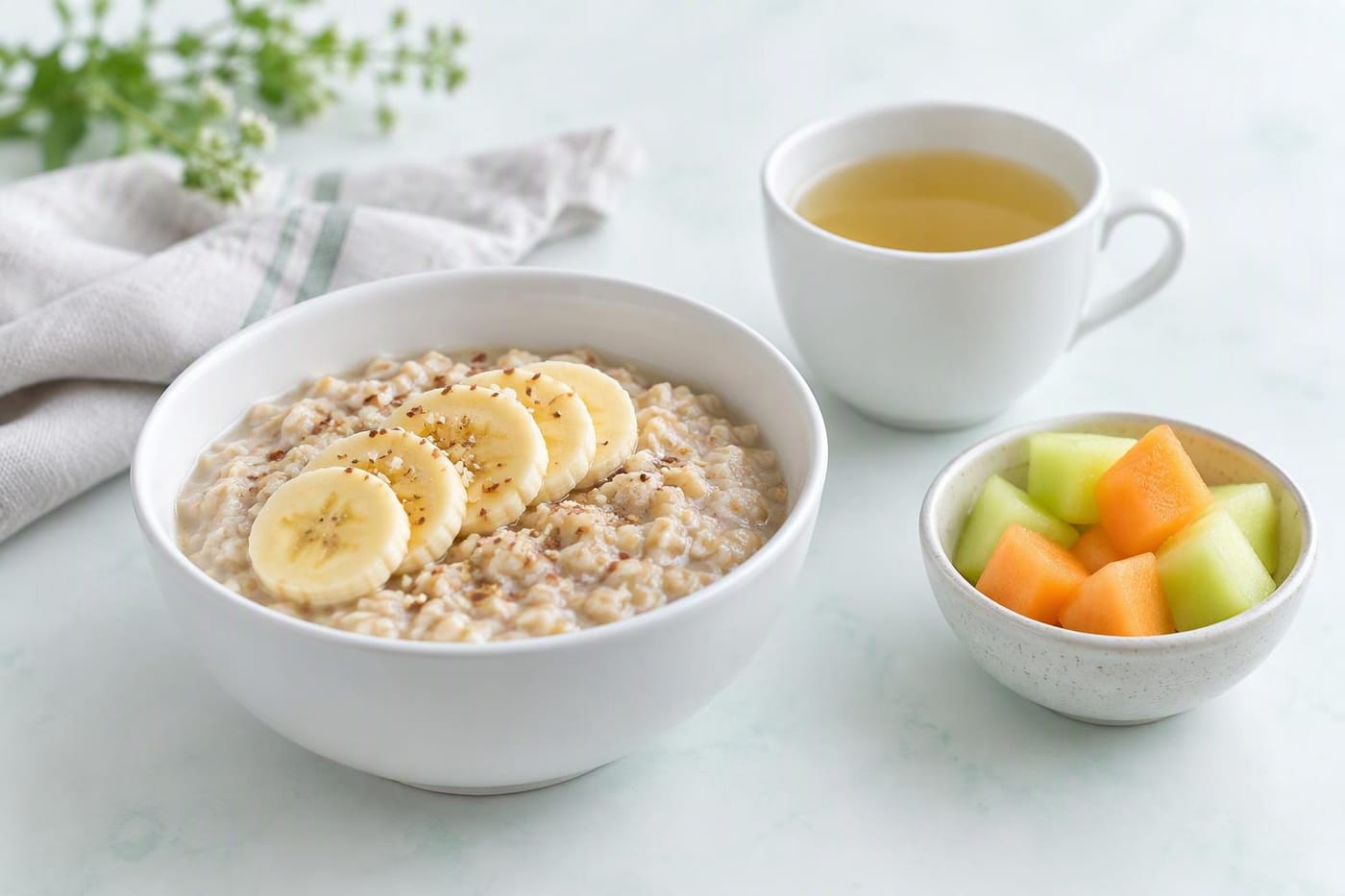
Heartburn happens when stomach acid rises into the esophagus. What helps: smaller meals, less fat, three hours between dinner and bed, less alcohol and nicotine, and cutting out your own triggers. Common ones are coffee, chocolate, peppermint, carbonation, citrus fruits, tomatoes, and spicy and fried foods. Usually well tolerated: oats, bananas, potatoes, fennel, melon, ginger and lean protein. A food’s PRAL tells you nothing about heartburn. It describes the effect on the kidneys after digestion, not irritation of the esophagus.
Why “alkaline” is misleading when you have heartburn
In everyday language, two things are called “acidic” that have nothing to do with each other. Stomach acid has a pH of 1 to 2, and it is supposed to be that acidic: it digests protein and kills germs. Heartburn is not a problem of too much acid in the body. It is a problem of acid in the wrong place: the sphincter muscle between the esophagus and the stomach does not seal properly.
The PRAL (potential renal acid load), on the other hand, describes what is left after digestion and excreted by the kidneys. By PRAL, lemon is alkaline (−4.0 per 100 g) because its fruit acid is broken down in metabolism. On its way down the esophagus, though, it is still sour and irritates an already irritated lining. Conversely, oats are acid-forming by PRAL (+6.8) and are among the best-tolerated foods for acid reflux.
So if you search for “alkaline foods” to help with heartburn, you get the wrong list. The right question is: What irritates the esophagus, and what relaxes the sphincter?
⚠️ Baking soda for heartburn
A teaspoon of baking soda neutralizes the acid for a few minutes. Then your stomach makes even more, and the CO₂ that forms stretches the stomach and pushes the sphincter open. It is not suitable as a long-term solution, and it also delivers a lot of sodium. For acute heartburn, over-the-counter antacids from the pharmacy are gentler. If you have symptoms often, have the cause checked.
What relaxes the sphincter
These factors lower the pressure of the lower esophageal sphincter or raise the pressure in the stomach. They are the real lever.
- Large, high-fat meals. Fat slows stomach emptying and relaxes the muscle. Eat five small meals instead of three large ones, and cut back on fried foods and rich sauces.
- Eating late. Allow at least three hours between your last meal and lying down. At night, gravity no longer helps, and saliva, which neutralizes acid, barely flows.
- Alcohol relaxes the muscle directly and irritates the lining. Wine and sparkling wine have a stronger effect than beer.
- Nicotine lowers sphincter pressure and saliva production.
- Chocolate and peppermint contain compounds that relax the muscle.
- Carbonation stretches the stomach; the pressure opens the muscle.
- Excess weight, especially around the belly, presses on the stomach from below. Losing just five kilograms measurably improves reflux.
- Tight clothing, bending over after meals, lying down after meals.
What irritates the lining
These foods do not relax the muscle, but they burn on contact with an already irritated esophagus. They vary from person to person: what bothers one person, another tolerates without any problem. A two-week food diary reveals your own triggers faster than any list.
- Citrus fruits and their juices, pineapple
- Tomatoes, tomato sauce, ketchup
- Vinegar, tangy dressings, pickled vegetables
- Hot spices, chili, pepper, raw onions and garlic
- Coffee, including decaf, and for some people black tea
- Very hot or very cold foods
ℹ️ Coffee and heartburn
Coffee irritates through its roasting compounds and stimulates acid production. Often easier to tolerate: dark roasts (fewer acids), espresso instead of drip coffee, coffee after a meal instead of on an empty stomach, and a splash of milk. If a two-week break brings no improvement, you can usually keep your coffee.
What is usually well tolerated
| Food | PRAL per 100 g | Why it is well tolerated |
|---|---|---|
| Rolled oats | +6.8 | binds acid, keeps you full for a long time, low in fat |
| Banana | −6.4 | mild, coats and protects the lining |
| Potato, boiled | −6.5 | starchy, low in fat, neutral taste |
| Fennel, boiled | −2.8 | soothes stomach and gut, essential oils |
| Melon | −1.7 to −5.4 | lots of water, little acid |
| Carrot | −6.3 | mild, high in fiber, better cooked than raw |
| Zucchini, cooked | −3.7 | mild, high in water |
| Cauliflower, boiled | −2.6 | mild, well cooked |
| Parboiled rice, cooked | +1.5 | binding, low in fat |
| White bread | +3.7 | better than fresh wholemeal bread during acute symptoms |
| Chicken breast, raw | +10.2 | lean protein, steamed or grilled without fat |
| Yogurt, low-fat | +0.8 | cool, mild; full-fat versions less so |
| Almonds | +10.5 | a handful, chewed well |
| Ginger root, fresh | −6.7 | as tea, speeds stomach emptying |
| Herbal tea (chamomile, fennel) | −0.3 | warm, not carbonated |
The PRAL column is here on purpose: being well tolerated with heartburn and being alkaline by PRAL are two different properties. Oats are the best example.
A day of eating for heartburn
- Breakfast: Oats cooked with low-fat milk or water, banana. Herbal tea.
- Snack: Melon or a slice of white bread with low-fat cream cheese.
- Lunch: Steamed chicken breast or fish with potatoes and fennel or carrots, a little olive oil, no vinegar.
- Afternoon: Rice cakes, a handful of almonds, still water.
- Dinner (by 7 p.m.): Potato and zucchini skillet with egg, or rice with steamed vegetables. After that, nothing but water or herbal tea.
- At night: Raise the head of your bed by 10 to 15 cm and sleep on your left side (the entrance to the stomach is then on top).
⚠️ When to see a doctor
Get checked by a doctor if you have heartburn more than twice a week for several weeks, trouble swallowing, unintended weight loss, vomiting, black stools, or symptoms that do not improve with dietary changes. Chronic reflux damages the esophagus; acid blockers are then often necessary and work well.
Read more: Being too acidic: symptoms and what is behind them, Are oats alkaline?, Is coffee acidic?, Alkaline breakfast.
Conclusion
Heartburn is a mechanical problem at the entrance to the stomach, not an excess of acid in the body. That is why smaller, lower-fat meals, time between eating and sleeping, and less alcohol, nicotine and chocolate help more than any “alkaline” food list. A diary will reveal your own irritants; oats, bananas, potatoes, fennel and lean protein are almost always well tolerated. The PRAL stays useful for the kidneys, but for the esophagus it is the wrong tool.
Log your meals, find your triggers.
In the app, you log what you eat. Add notes on your symptoms, and after two weeks you can see which meals trigger your heartburn.
Free for Android · iPhone coming soon